
In every conversation about education, whether it is about strategy, systems, partnerships, or outcomes, I return to the same grounding question:
Are we truly keeping students at the center of this work?
Not in theory. Not in language. But in action.
At Charleston Education Partners, I have often said that change is stronger when efforts work together. But alignment alone is not the goal. Alignment must be anchored in something deeper, a shared commitment to improving outcomes for students, especially those who have been historically underserved.
That is what it means to keep students at the center.
Listening First, Then Acting with Purpose
One of the most important lessons we have learned in this work is that schools and communities do not need more voices telling them what to do, they need partners who are willing to listen.
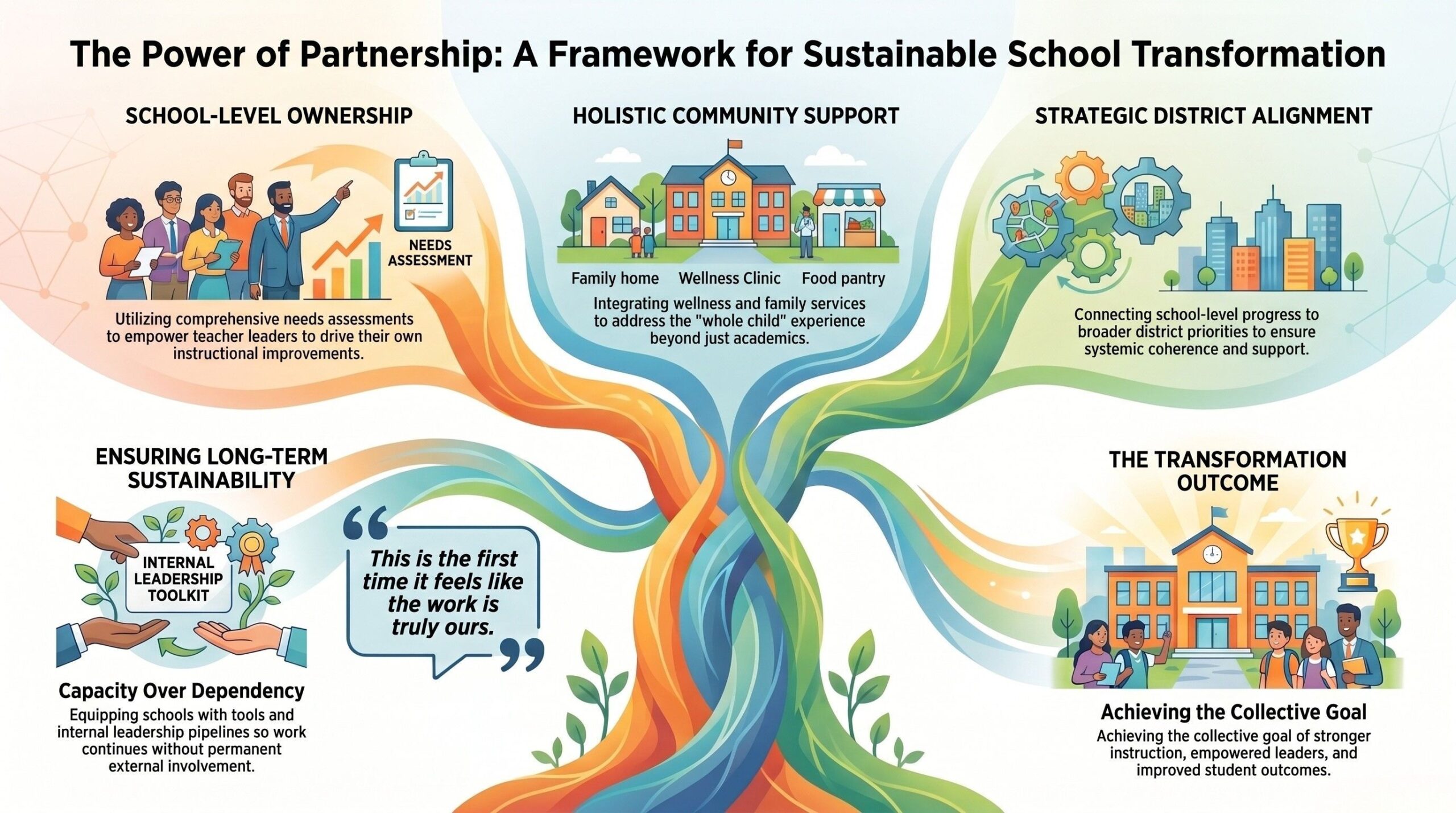
Through needs assessments and ongoing engagement, we create space for school leaders, teacher leaders, staff, students, and parents and community members to name their realities. And when they do, what emerges is both honest and powerful.
- They talk about instruction.
- They talk about engagement.
- They talk about the students sitting in front of them every day and what those students need to succeed.
- They talk about their children coming home with homework and what they need to support their child.
This reflects a belief I have shared before: the most sustainable solutions come from those closest to the work and are products of the work. Our role is to help elevate those voices, align resources, and move from insight to action.
From Data to Action with Students in Mind
We talk often about data in education, but data is only meaningful if it leads to action.
In one of our partner schools, stakeholders took a hard look at why their school was underperforming. They discussed instructional practices and student outcomes. They did not shy away from what the data revealed. Instead, they owned it.
- They named the need to strengthen instructional quality.
- They committed to wanting feedback at every level from school leaders, communities, teachers, and students.
- They celebrated the strong relationships they are building and prioritized continuing to strengthen relationships in classrooms and within the community.
That kind of ownership matters.
Because keeping students at the center means we are willing to ask difficult questions and then do the work required to answer them.
Investing in Educators is Investing in Students
I continue to be inspired by the educators we work alongside, particularly teacher leaders.
When given the opportunity and support, they step forward with clarity and purpose. They analyze student work. They refine their practice. They collaborate in ways that are deeply focused on improving outcomes for every learner.
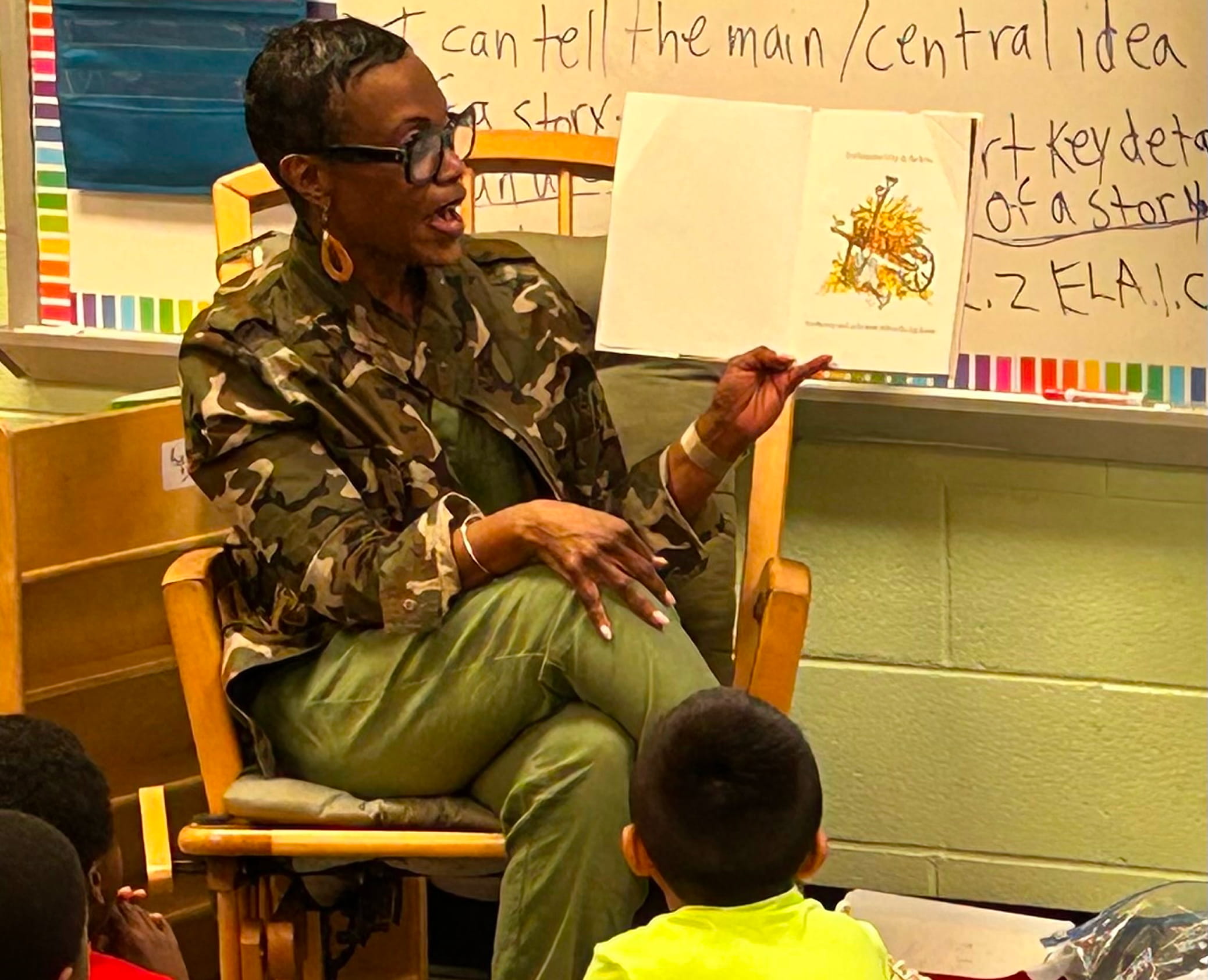
During a recent visit, I had the opportunity to observe teacher leaders engaged in this work alongside the community. What stood out to me was not just their commitment, but their alignment.
- They were focused.
- They were intentional.
- And most importantly, they were grounded in what their students needed.
What I witnessed was powerful. Teacher leaders were transparent and unwavering, engaging in honest dialogue without hesitation, even with the community present. They did not retreat from the complexity of the conversation. Instead, they embraced it. They owned the work, driving it forward with purpose and precision.
This is exactly what it looks like when a school community commits to keeping students at the center, and it is the kind of work CEP is proud to support and sustain.
This is why we emphasize coaching and leadership development. We invest in strengthening their confidence to engage in meaningful, transparent conversations that are inclusive of the community. When we invest in educators, we are directly investing in students and the communities in which they live.
The Role of Leadership in Centering Students
Keeping students at the center requires leadership that is both intentional and instructional.
Principals must be deeply engaged in teaching and learning, not just managing buildings, but shaping what happens in classrooms. District leaders must create conditions that allow schools to focus on instruction by removing barriers and aligning support. Communities need to advocate for creating the school they envision and protecting the practices that are producing meaningful results.
And as partners, we must remain clear about our role.
At CEP, we are not here to work around schools, we are here to work with them. We are not here to work around communities; we are here to work with them. As I have shared in previous reflections, our responsibility is to align partners, resources, and strategies so that schools are not operating in isolation but are supported in ways that lead to lasting impact.
The Urgency of This Moment
The need to keep students at the center is not new, but the urgency is real.
Schools are navigating the ongoing impact of disrupted learning, increased expectations around literacy and achievement, and the need to strengthen connections with families and communities. These challenges are complex and interconnected.
Which is why our response must be aligned.
This is the work of CEP, to help ensure that efforts are not fragmented, that resources are used strategically, and that every decision is grounded in what will move the needle for students.
What It Truly Means to Stay Centered
Keeping students at the center is not a statement, it is a discipline.
It requires us to continually ask:
- Are our actions improving outcomes for students?
- Are we listening to the voices that matter most?
- Are we aligning our work in ways that maximize impact?
- Are we creating better communities because of our work?
- It requires focus, even when there are competing priorities.
- It requires accountability, even when the work is difficult.
- And it requires commitment, every single day.
Because at the end of it all, this work is not about programs or initiatives.
It is about students.
And at Charleston Education Partners, we will continue to center them in our partnerships, in our strategy, and in our work, because that is how meaningful, lasting change happens.