By Dr. Katchia Gethers, Charleston Education Partners (CEP)
Public education has always been about more than classrooms, textbooks, and test scores. At its best, it reflects a community's values, its aspirations for young people, and its willingness to invest collectively in the future.
Why Community Partnerships Matter
That is why community partnerships matter.
Schools cannot, and should not, do this work alone.
Across the country, the most effective school systems understand that student success is strengthened when educators, families, businesses, nonprofit organizations, and civic leaders work together. When communities invest their time, talent, and resources into public education, students gain access to opportunities that extend far beyond the school day.
What Community Partners Bring
Community partners help expand what schools can provide.
- Local businesses create pathways for career exploration and workforce readiness.
- Nonprofit organizations bring specialized expertise in mentoring, enrichment, and social services.
- Higher education institutions help students envision and prepare for life after graduation.
- Civic and faith-based organizations strengthen the support systems that surround young people and their families.
Each partner contributes something unique, but the shared goal remains the same: ensuring that every student has the support, opportunity, and encouragement needed to thrive.
Charleston's Collaborative Spirit
In Charleston, this collaborative spirit continues to grow.
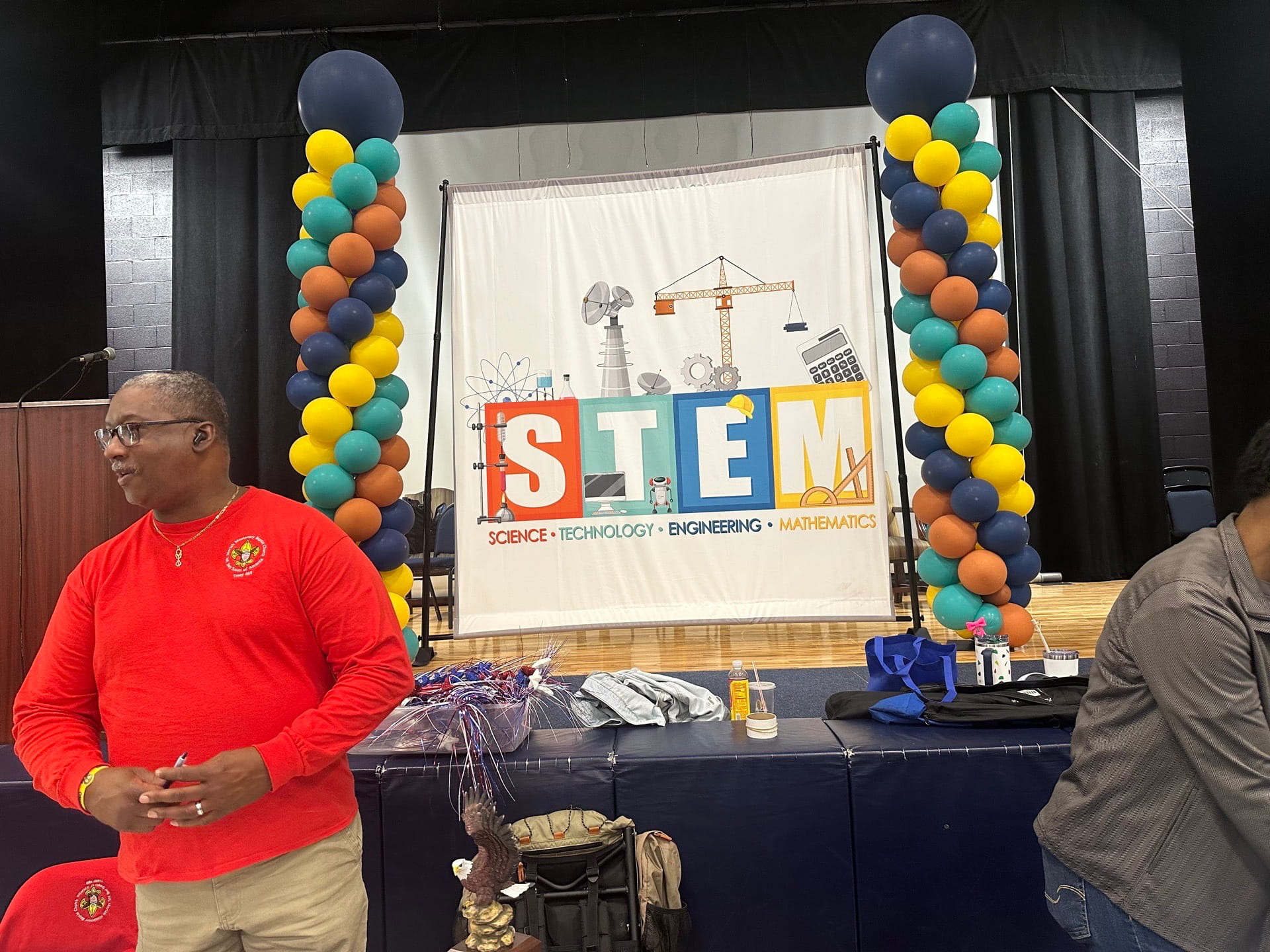
Through strategic partnerships, students are gaining exposure to industries, professionals, and experiences that help connect what they learn in the classroom to the world around them. Whether through internships, mentorship programs, literacy initiatives, or career exploration opportunities, community engagement helps make learning more relevant and more meaningful.
Equally important, these partnerships reinforce a powerful message to students: their community believes in them.
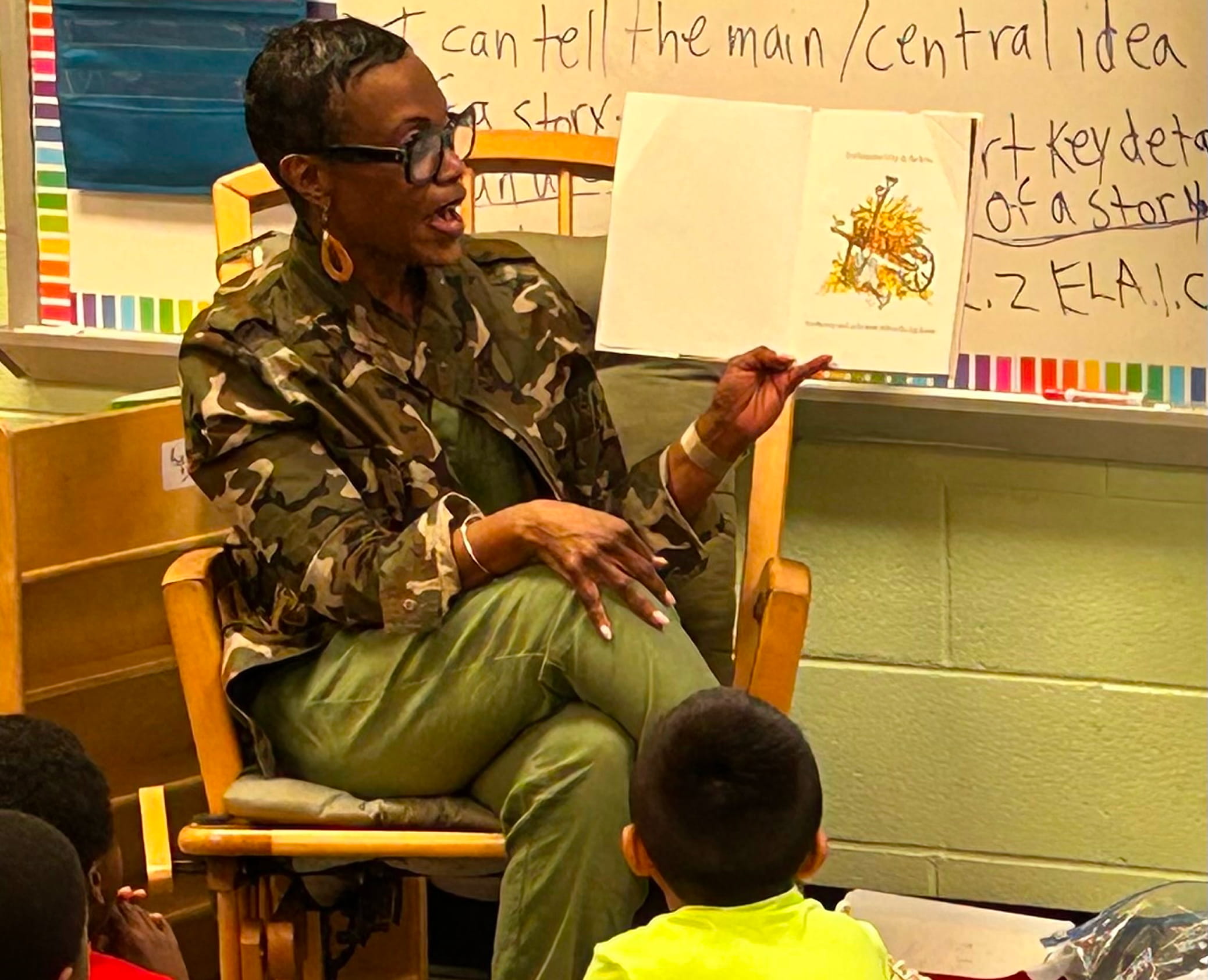
When young people see professionals volunteering in their schools, organizations investing in programs, and community leaders showing up to support their education, they recognize that their success matters to more people than just their teachers and families. It becomes a shared community commitment.
The Role of Charleston Education Partners
Organizations like Charleston Education Partners play an important role in strengthening these connections. By bringing together educators, community leaders, and partners who are committed to improving educational outcomes, CEP helps create the conditions where collaboration can thrive and innovation can grow.
Strong Schools, Strong Communities
Strong public schools are the foundation of strong communities.
When students succeed, communities benefit from a more prepared workforce, stronger civic engagement, and greater economic vitality. Community partnerships help make that success possible by expanding opportunity, supporting educators, and ensuring that students have access to the experiences that prepare them for the future.
Education Is a Shared Responsibility
Education is a shared responsibility.
And when communities stand alongside their schools, students gain more than knowledge, they gain a network of people invested in their dreams, their growth, and their success.